
How Buying a Used Car Can Help You Reach Your Financial Goals

In today’s fast-paced economy, making wise financial choices is more crucial than ever. One significant choice that can help you achieve your financial goals is whether to buy a pre-owned vehicle or a new one. Understanding the advantages of purchasing a pre-owned vehicle can lead to better financial outcomes, lower monthly payments, and a more manageable car ownership experience. This blog post explores how buying a pre-owned vehicle can help you reach your financial objectives while navigating the car buying process efficiently.
What Are the Benefits of Buying a Used Car?
Secure a certified pre-owned vehicle offers numerous benefits that align with your financial goals. Here are a few key advantages:
· Lower Purchase Price: pre-owned vehicles typically come with a significantly lower purchase price compared to new models, allowing you to save money upfront.
· Depreciation: New cars lose value quickly, often depreciating by 20% or more in the first year. By choosing a used vehicle, you avoid this rapid depreciation, ensuring your investment holds its value better.
Additionally, many pre-owned vehicles are still in excellent condition, providing reliable transportation without the hefty price tag of a new car. This choice can be a smart financial decision that supports your long-term financial well-being.
How to Finance a Used Car?
Financing options for used cars can vary significantly. Here are some ways to finance your purchase:
1. Credit Union Loans: Many credit unions offer competitive interest rates and favorable terms for pre-owned vehicle loans, making them an excellent option for financing.
2. Dealership Financing: Some pre-owned vehicle dealerships provide financing options that may include lower interest rates or special promotions.
Before making a decision, compare different financing options to find what fits your financial goals best. Understanding your credit score and how it affects your interest rates can also help you secure a better deal.
What Should You Consider When Buying Your Next Car?
When purchasing your next vehicle, consider these essential factors:
· Budget: Determine your monthly car payment budget, including insurance, maintenance, and fuel costs.
· Vehicle History: Always check the history of the used vehicle to avoid potential issues and ensure peace of mind.
By carefully evaluating these aspects, you can make a more informed buying decision that aligns with your financial objectives.
How Do Monthly Payments for Used Cars Compare to New Cars?
Monthly car payments for pre-owned vehicles are generally lower than those for new cars, making them more affordable. Here’s why:
· Lower Purchase Price: Since pre-owned vehicle are less expensive, the overall loan amount is reduced, resulting in smaller monthly payments.
· Lower Interest Rates: Financing a certified pre-owned car often comes with lower interest rates compared to new car loans, further decreasing your monthly financial commitment.
This affordability allows you to allocate more resources toward achieving your financial goals, such as saving for retirement or investing in education.
What Are the Long-Term Financial Benefits of secure a certified pre-owned vehicle?
The long-term financial benefits of purchasing a used car include:
· Lower Total Cost of Ownership: With lower depreciation and monthly payments, the total cost of owning a used car is often considerably less than that of a new vehicle.
· Insurance Savings: Insurance premiums for certified pre-owned car are typically lower, further enhancing your financial savings.
By choosing a pre-owned vehicle, you can focus more on your financial future and less on car-related expenses.
How to Navigate the Used Car Market?
To successfully navigate the certified pre-owned car market, consider the following tips:
3. Research: Investigate various makes and models, focusing on reliability and resale value.
4. Test Drive: Always take a used car for a test drive to ensure it meets your expectations in terms of comfort and performance.
By being well-informed and prepared, you can make a confident decision that aligns with your financial goals.
What Financing Options Are Available for Used Car Buyers?
Many financing options cater to used car buyers:
· Bank Loans: Traditional banks often provide certified pre-owned car loans with competitive rates.
· Online Lenders: Various online platforms offer financing specifically for used vehicles, allowing for easy comparison of interest rates and terms.
Always read the fine print to find the best financing option that suits your financial situation.
How to Evaluate the True Cost of a Used Car?
Evaluating the true cost of a certified pre-owned car involves more than just the purchase price. Consider:
· Maintenance Costs: Older vehicles may require more maintenance, which can add to your overall expenses.
· Fuel Efficiency: Assess the fuel efficiency of the vehicle, as this can impact your monthly budget significantly.
By considering these factors, you can make a more informed decision and ensure that your car fits within your financial goals.
What Role Do Interest Rates Play in Used Car Financing?
Interest rates have a significant impact on the total cost of financing a used car:
· Lower Interest Rates: Used car loans often come with lower interest rates compared to new car loans, making them a more affordable option.
· Impact on Monthly Payments: A lower interest rate can significantly reduce your monthly payments, allowing for more flexibility in your budget.
Understanding how interest rates affect your loan can help you make better financial decisions regarding your vehicle purchase.
How to Make a Smart Financial Decision When Buying a Car?
Making a smart financial decision when buying a car involves:
· Setting a Budget: Determine how much you can afford to spend, including insurance and maintenance.
· Researching Options: Compare different models and financing options to find the best fit for your financial goals.
By following these steps, you can ensure that your car purchase aligns with your long-term financial objectives.
Conclusion:
Buying a certified pre-owned car can significantly contribute to reaching your financial goals. With lower purchase prices, reduced depreciation, and more manageable monthly payments, pre-owned vehicles represent a smart financial choice for many car buyers. If you’re in the Richmond, VA area and are considering purchasing a used vehicle, check out VA Motors, a trusted certified pre-owned car dealership. They offer a wide selection of used cars for sale, competitive auto loans, and financing options tailored to fit your needs, ensuring you make a sound investment in your financial future.
Why Buying a Used Car Can Offer a Wider Selection of Makes and Models

In today’s economy, the decision to purchase a vehicle can be overwhelming, especially with the plethora of options available. One of the most significant choices you’ll face is whether to buy a new car or a used car. Buying a used car offers numerous advantages, especially in terms of the selection of makes and models available. In this blog post, we will explore why choosing a used car gives you access to a broader range of vehicles and how it can help you find your dream car.
What Are the Benefits of Buying a Used Car?
Buying used opens up a world of opportunities for car buyers. Here are a few key advantages:
- Cost Savings: Used cars typically come with a lower price tag than new cars, allowing you to save money.
- Depreciation: New cars lose value quickly. Buying used means you avoid the steep depreciation that occurs within the first few years.
- Insurance Costs: Insurance rates for used cars are generally lower, providing additional savings.
How Does the Used Car Market Offer a Wider Selection?
The used car market is vast and varied, presenting buyers with an extensive selection of makes and models. This includes:
- Discontinued Models: Some older models may no longer be produced, making them unique finds in the used car market.
- Different Makes and Models: You can explore a wider variety of brands, from luxury vehicles to reliable commuter cars.
- Older Models: Many buyers prefer older models for their proven reliability and classic designs.
Why Is There a Broader Range of Makes and Models in Used Cars?
When you buy a used car, you gain access to a broader selection of makes and models that may not be available in the new car market. This includes:
- Pre-Owned Cars: These vehicles often come with a rich history, making them more affordable and accessible.
- Variety of Features: Older models may come with features that new cars lack, catering to a range of preferences.
- Local Used Car Selection: Local dealerships often have a comprehensive selection of used cars, allowing you to find the perfect fit.
What Are the Advantages of Buying a Used Vehicle?
The advantages of buying a used vehicle extend beyond just the initial cost. Consider these benefits:
- Financing Options: Used car financing can be more flexible, allowing for better loan terms.
- Reliable Reviews: Many used vehicles have established reputations, making it easier to assess their reliability.
- Tested Performance: Used cars have been on the road long enough to show their performance and durability.
Can You Find Your Dream Car in the Used Car Market?
Absolutely! The used car market allows you to discover the benefits of buying a vehicle that meets your specific needs:
- Unique Models: You may find models that are no longer produced, making your vehicle one of a kind.
- Customization: Older models often have more customization options available.
- Affordability: With a wider selection, you can find a vehicle that fits both your needs and budget.
What Should You Consider When Choosing a Used Car?
Choosing a used car requires careful consideration. Here are key points to evaluate:
- Vehicle History: Always check the vehicle history report to ensure there are no hidden issues.
- Inspection: Have the car inspected by a trusted mechanic to identify any potential problems.
- Test Drive: Always take the vehicle for a test drive to ensure it meets your expectations.
How Does Buying Used Give You Access to Newer Models?
Buying used can also provide access to newer models that might be out of reach as new vehicles:
- Latest Features: Many used cars are equipped with modern technology and safety features.
- Luxury Brands: You can afford higher-end vehicles that would be too costly if bought new.
- Broader Selection: With a larger inventory, you’re more likely to find a vehicle that meets your needs.
What Financing Options Are Available for Used Cars?
Financing a used car can be straightforward and beneficial. Here’s what you should know:
- Lower Interest Rates: Interest rates on used car loans are often lower than those for new cars.
- Flexible Terms: Many lenders offer flexible repayment terms for used vehicles.
- Pre-Approval: Getting pre-approved for a loan can streamline the buying process.
How Do Dealerships Offer a Comprehensive Selection of Used Cars?
Used car dealerships often provide a diverse selection of vehicles, which can include:
- Certified Pre-Owned Vehicles: These cars have undergone rigorous inspections and come with warranties.
- Trade-Ins: Dealerships often have a wide range of trade-ins that can meet various budgets and needs.
- Seasonal Sales: Many dealerships run promotions that can lead to additional savings on used cars.
Key Benefits of Buying a Used Car
- Diverse Inventory: The used car market boasts a broader range of makes and models, allowing buyers to find vehicles that suit their specific preferences.
- Access to Older Models: Buyers can explore discontinued or less common models that may not be available in new cars.
- Variety of Price Points: With various makes and models available, buyers can find options that fit their budget while still getting the features they want.
- Unique Features: Older models may have unique features or styles that are no longer offered in newer cars, giving buyers more choices.
- Different Trims and Options: Used cars often come in various trims and options, allowing buyers to select specific features they prefer.
- Broader Geographic Availability: A wider selection across different regions increases the chances of finding a specific make or model.
What Are the Key Takeaways About Buying a Used Car?
- Buying a used car often allows for significant cost savings.
- The used car market presents a broader selection of makes and models.
- Used vehicles can provide access to unique models and features.
- Financing options for used cars can be more favorable.
- Choosing a used car gives you the chance to find your dream vehicle without breaking the bank.
In conclusion, buying a used car can open up a world of possibilities, offering a wider selection of makes and models than you might find in the new car market. Whether you are looking for a reliable commuter car, a sports car, or even a discontinued model, the benefits of buying used are undeniable. If you’re in the Richmond, VA area, consider visiting VA Motors, a used car dealership that can help you explore a comprehensive selection of makes and models. You’ll be amazed at what the used car market offers, and you just might find the perfect vehicle to suit your needs.
The Benefits of Purchasing a Used Car with Low Mileage
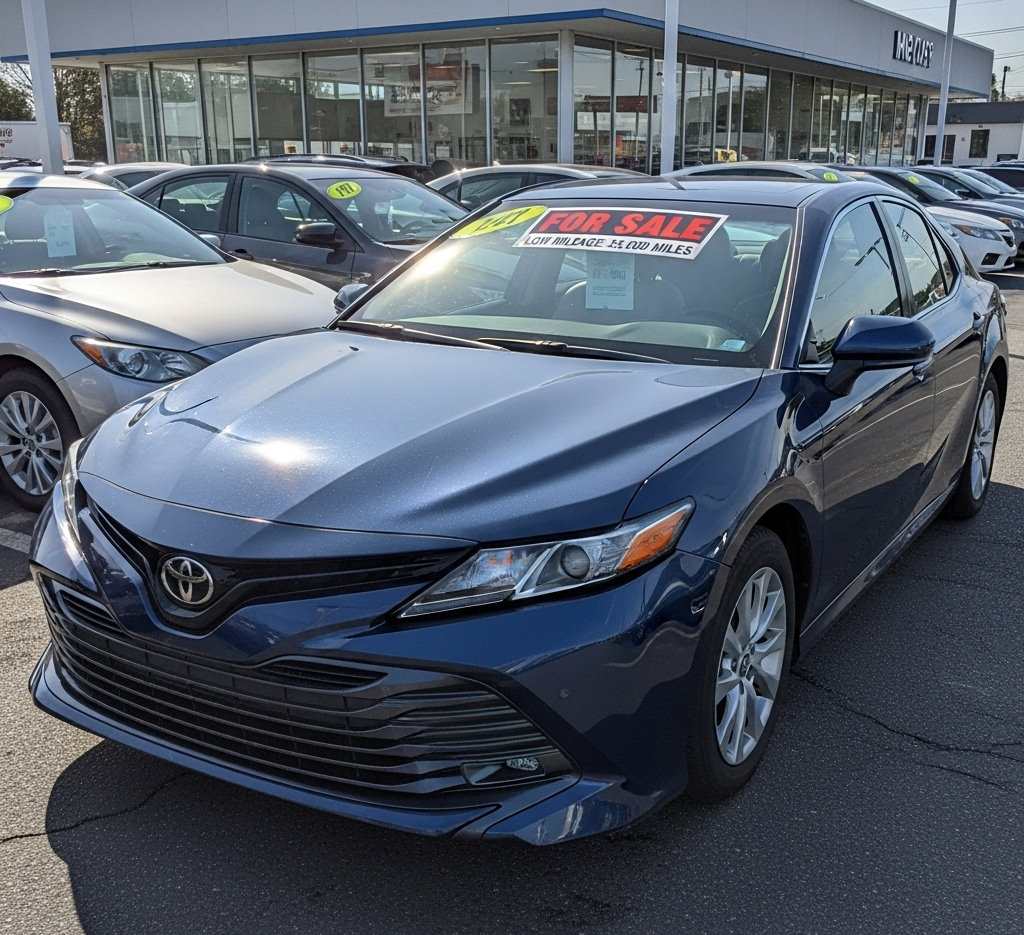
In today’s automotive market, the decision to buy a used car with low mileage is becoming increasingly popular among car buyers. The advantages of purchasing a used vehicle are numerous, especially when considering factors such as safety, affordability, and reliability. Understanding these benefits can help potential buyers make an informed decision that suits their needs and budget.
What Are the Financial Benefits of Buying a Used Car with Low Mileage?
One of the most significant advantages of buying a used car with low mileage is the financial savings associated with it. Used cars typically cost less than new cars, allowing buyers to save money upfront. Moreover, cars with lower mileage often come with a reduced depreciation rate, which means they retain their value better over time. Here are some financial benefits to consider:
- Lower purchase price compared to new vehicles.
- Reduced insurance costs due to lower value.
- Less depreciation, allowing for better resale value.
Additionally, purchasing a used car with low mileage can lead to lower financing costs if you choose to finance the vehicle. Lenders may offer better rates on vehicles that have proven reliability and a track record of fewer repairs.
How Does Low Mileage Affect the Condition of a Used Vehicle?
The condition of the car is a crucial factor when considering a used vehicle. A car with low mileage generally has less wear and tear, which translates to a longer lifespan and fewer immediate repairs. Vehicles with fewer miles often exhibit:
- Better engine performance and efficiency.
- Less likelihood of mechanical issues.
- Longer intervals between service needs.
By opting for a low-mileage used car, buyers can enjoy peace of mind knowing they are purchasing a well-maintained car that is less likely to require extensive repairs in the near future.
What Are the Insurance Implications of Buying a Low Mileage Car?
When purchasing a used car with low mileage, it’s essential to consider how it affects car insurance. Generally, insuring a low mileage car can be more affordable. Insurance companies often offer lower premiums for vehicles that are less likely to be involved in accidents due to their better condition. Here are some insurance benefits:
- Lower premiums due to reduced risk.
- Potential discounts for low mileage usage.
- More coverage options available for well-maintained vehicles.
Choosing a vehicle with low mileage can lead to significant savings on insurance costs, allowing buyers to allocate their budget toward other essential expenses.
Are There Environmental Benefits to Purchasing a Used Car with Low Mileage?
Buying a used car can be an environmentally friendly choice. By opting for a low mileage used vehicle, you contribute to reducing the environmental impact associated with manufacturing new cars. Here are some key environmental benefits:
- Lower carbon footprint compared to buying new.
- Less resource-intensive than manufacturing new cars.
- Encourages recycling and sustainable practices within the automotive industry.
By choosing a used car, you not only save money but also support sustainability in the automotive market.
What Are the Most Important Things to Check in a Low Mileage Used Vehicle?
When considering purchasing a used car with low mileage, it’s vital to know what to look for. Here are some essential factors to consider:
- Check the vehicle history report for any accidents or title issues.
- Inspect the maintenance records to ensure proper care.
- Test drive the car to assess its performance and comfort.
Being thorough in your inspection can help ensure you’re buying a reliable vehicle that meets your expectations.
How Do Low Mileage Cars Compare to High Mileage Cars?
When comparing low mileage cars to high mileage cars, several factors come into play. Low mileage vehicles often offer advantages such as:
- Less wear and tear, leading to a longer lifespan.
- Lower likelihood of requiring immediate repairs.
- Better resale value when you decide to sell the car.
On the other hand, high mileage cars may be cheaper upfront but could result in higher long-term costs due to repairs and maintenance needs.
What Are the Pros and Cons of Buying a Low Mileage Used Car?
Understanding the pros and cons of buying a low mileage used car is crucial for making an informed decision. Here’s a quick overview:
Pros:
- Lower purchase price and insurance costs.
- Better mechanical condition and reliability.
- Lower environmental impact.
Cons:
- Limited availability of certain makes and models.
- Possibly higher prices for very low mileage vehicles.
- Potential for hidden issues not disclosed by the seller.
Being aware of these factors can help you weigh your options effectively.
How to Ensure You’re Buying a Well-Maintained Low Mileage Used Car?
To ensure you’re purchasing a well-maintained low mileage used car, consider the following tips:
- Request a pre-purchase inspection from a trusted mechanic.
- Look for vehicles with a documented maintenance history.
- Ask previous owners about their experiences with the car.
Taking these steps can help mitigate the risks associated with buying a used vehicle.
What Are the Long-Term Benefits of Choosing a Used Car with Low Mileage?
Choosing a used car with low mileage offers numerous long-term benefits, including:
- Lower overall ownership costs, including insurance and maintenance.
- Better performance and reliability over the vehicle’s lifespan.
- Increased resale value due to the car’s condition and mileage.
These long-term advantages make low-mileage used cars an attractive option for budget-conscious buyers.
Where to Find Quality Used Cars with Low Mileage?
Finding quality used cars with low mileage can be simplified by exploring reputable dealerships and online platforms. Some options include:
- Certified pre-owned programs from manufacturers.
- Reputable used car dealers like VA MOTORS in Richmond, VA.
- Online marketplaces that specialize in used vehicles.
These resources can help you locate a reliable car that meets your needs and budget.
Conclusion: Key Takeaways on Buying a Used Car with Low Mileage
- Buying a used car with low mileage can lead to significant financial savings.
- Low mileage vehicles are typically in better condition, reducing repair costs.
- Insurance premiums are generally lower for low mileage cars.
- Environmental impact is minimized by choosing a used vehicle.
- Thorough inspections are essential to ensure a quality purchase.
- Consider reputable dealers like VA MOTORS for reliable options.
In summary, the advantages of buying a used car with low mileage are numerous, making it an attractive option for many car buyers. Whether you are looking for a reliable vehicle or seeking to save money, purchasing a used car with low mileage can be a smart choice.
VA MOTORS Used Car Dealer in Richmond, VA
At VA MOTORS, we specialize in offering a large inventory of used cars, particularly those with low mileage. When you buy a used car with low mileage, you benefit from a vehicle that has experienced less wear and tear compared to older cars or those with higher mileage. Our selection includes low-mileage used cars that provide the advantages of buying a used vehicle without compromising on quality.
Purchasing a used car from our dealership means you can find a well-maintained car that meets your needs. Whether you’re considering an older vehicle or a newer car, our used cars often feature fewer miles on the odometer, ensuring better performance and reliability. If you’re looking to buy a car that’s in excellent condition and offers the benefits of purchasing a used vehicle, contact us today to explore our inventory of low-mileage cars.
Why Buying a Used Car is a Smart Choice for Budget-Conscious Buyers
For many individuals, purchasing a vehicle is one of the most significant financial decisions they will make. With a tight budget, opting for a used car can be a smarter choice than buying a new one. This blog post explores the various advantages that come with buying a used vehicle, making it a better option for budget-conscious buyers. Understanding these factors can empower you to make informed decisions in the used car market.
What Are the Key Advantages of Buying a Used Car?
Buying a used car presents numerous advantages that can significantly benefit budget-conscious buyers. These include:
- Lower Purchase Price: Used cars often come with a much lower initial cost compared to new vehicles.
- Reduced Depreciation: New cars can lose a substantial portion of their value within the first few years. In contrast, used cars have already undergone most of their depreciation.
- Insurance Costs: Premiums for used vehicles are generally more affordable, allowing you to reduce the total cost of ownership.
How Does Depreciation Affect Your Purchase?
Depreciation is a critical factor that affects vehicle ownership costs. A new car can lose about 20% of its value as soon as it’s driven off the lot. In contrast, used cars have already depreciated, allowing buyers to get more value for their money. This is particularly important for budget-conscious buyers who want to maximize their investment. By choosing a used vehicle, you can avoid the steep depreciation that comes with new cars.
What Should You Know About Insurance Costs?
Used cars typically come with lower insurance premiums compared to new vehicles. When purchasing a pre-owned vehicle, it’s essential to consider how much you will pay for insurance. Factors such as the car’s age, make, and model can all influence insurance rates. Here are some tips to keep in mind:
- Research insurance premiums for different makes and models before making a decision.
- Consider vehicles with a good safety record, which may qualify for lower insurance rates.
- Opt for vehicles that are less expensive to repair, as this can also reduce your insurance costs.
What Are Certified Pre-Owned Vehicles?
Certified pre-owned (CPO) vehicles offer an excellent option for buyers looking for peace of mind when purchasing a used car. These vehicles have undergone rigorous inspections and come with extended warranties. Choosing a CPO vehicle can ensure that you are getting a reliable vehicle without the high price tag of a new car. The benefits of certified pre-owned vehicles include:
- Thorough Inspections: CPO cars have been inspected for quality and reliability.
- Extended Warranties: Many certified pre-owned vehicles come with warranties that can provide coverage for several years.
- Lower Financing Rates: Some dealerships offer better financing options for CPO vehicles.
How Can You Ensure the Condition of a Used Car?
Before making a purchase, it’s crucial to assess the condition of any used car. This includes checking the vehicle’s history report, maintenance records, and conducting a thorough inspection. Here are steps to ensure you are buying a reliable used car:
- Request a vehicle history report to check for any accidents or title issues.
- Look for signs of wear and tear, both inside and outside the vehicle.
- Take the car for a test drive to assess its performance.
What Financing Options Are Available for Used Cars?
Financing a used car can be more accessible than you think. Many dealerships offer financing options specifically tailored for used vehicles. Here are some points to consider:
- Check your credit score before applying for financing.
- Research different financing options to find the best rates available.
- Getting pre-approved for a loan can simplify and speed up the car buying process.
Why Is Buying a Used Car a Better Option for Budget-Conscious Buyers?
For budget-conscious buyers, the advantages of purchasing a used car are clear. With lower upfront costs, reduced insurance premiums, and the ability to avoid the steep depreciation associated with new cars, opting for a used vehicle is often a smart financial decision. Additionally, the used car market offers a wide range of options, allowing you to find a vehicle that meets your needs without breaking the bank.
What Key Factors Should You Consider When Choosing a Used Car Dealership?
Choosing the right dealership can make a significant difference in your used car buying experience. Here are some characteristics to look for in a reputable used car dealership:
- Reputation: Check customer reviews and testimonials to assess the trustworthiness and reliability of the dealership.
- Warranty Options: A good dealership will offer warranties or guarantees on their vehicles.
- Transparency: Look for a dealership that provides vehicle history reports and is open about the condition of their cars.
How Can You Make an Informed Decision When Buying Used?
To make an informed decision when buying a used car, gather as much information as possible. This includes researching various models, reading reviews, and understanding the total cost of ownership. Here are some tips:
- Compare prices and features of similar vehicles.
- Consult online resources and forums to learn from other buyers’ experiences.
- Don’t rush the decision; take your time to explore various options.
What Are the Key Takeaways When Buying a Used Car?
- Buying a used car can lead to significant savings on purchase price and insurance costs.
- Used vehicles have already depreciated, providing better value for budget-conscious buyers.
- Certified pre-owned vehicles offer reliability and peace of mind with extended warranties.
- Thoroughly inspect the car and research its history before purchasing.
- Choose a reputable dealership for a smoother buying experience.
In conclusion, purchasing a used car can be an excellent choice for budget-conscious buyers, offering lower costs, reduced depreciation, and diverse options. If you’re looking to buy a used car and want the best value for your tight budget, consider visiting VA MOTORS, a trusted used car dealership in Richmond, VA. They offer a range of reliable pre-owned vehicles that cater to every budget-conscious buyer’s needs. Make the smart choice today and explore the possibilities of purchasing a used vehicle.
Understanding the Difference Between a Used Car Dealer and a Private Seller

When it comes to purchasing a used car, buyers often face a choice between buying from a dealership or a private seller. Each option has its own set of benefits and drawbacks, making it essential for car shoppers to understand these differences before making a decision. In this blog, we will explore the key distinctions between a used car dealer and a private owner, helping you make an informed choice.
What Are the Main Differences Between a Dealer and a Private Seller?
One of the primary differences between a used car dealer and a private seller lies in the sales process and the services offered. A used car dealer operates a business where they buy and sell vehicles, often providing a range of services such as financing options, warranties, and certified pre-owned vehicles. On the other hand, a private seller is an individual who sells their personal vehicle without the backing of a dealership.
- Car Sale Process: Dealers typically handle all paperwork and financing, while private sellers require buyers to manage these aspects themselves.
- Additional Services: Dealers often provide warranties and other benefits, whereas private sellers may not offer any guarantees.
Which Option Offers Better Financing Options?
Financing is a significant factor to consider when buying a car. Used car dealerships generally offer various financing options, including auto loans from banks or credit unions. They might also provide in-house financing, making it easier for buyers to secure a loan with competitive interest rates. In contrast, private sellers usually do not offer financing and expect full payment at the time of sale.
- Dealership Financing: Many dealerships offer special financing deals that can help buyers manage their financial goals.
- Private Sales: Buyers often need to secure a loan from a bank or credit union when buying from a private seller.
What Is the Role of Vehicle History Reports?
When purchasing a used vehicle, understanding its history is crucial. Dealerships often provide vehicle history reports, which detail the car’s previous ownership, accident history, and any outstanding recalls. This transparency can give buyers peace of mind. In contrast, private sellers may not have access to such reports, leaving buyers to do their own research.
- Report Availability: Dealers typically offer vehicle history reports as part of their sales process.
- Research Responsibility: Buyers are responsible for obtaining and reviewing reports when buying from a private seller.
How Do Prices Compare Between Dealerships and Private Sales?
Used car prices can vary significantly depending on whether you are buying from a dealership or a private seller. Generally, cars at dealerships tend to be priced higher due to the added services and warranties provided. However, private sales may offer lower prices but come with less assurance regarding the vehicle’s condition.
- Dealership Prices: Higher prices often reflect the additional services and benefits provided.
- Private Seller Prices: Typically lower, but buyers should be cautious and thoroughly inspect the vehicle.
What Are the Pros and Cons of Buying from a Dealer vs. a Private Seller?
Both options come with their advantages and disadvantages. Buying from a dealership often provides benefits such as warranties, financing options, and a wider selection of certified pre-owned vehicles. However, the prices may be higher, and negotiations can be less flexible. On the other hand, purchasing from a private seller can result in a better deal, but it may lack the protections that dealerships offer.
- Pros of Dealerships: Warranties, financing options, and ease of paperwork.
- Cons of Dealerships: Higher prices and less negotiation room.
- Pros of Private Sellers: Lower prices and potential for negotiation.
- Cons of Private Sellers: Lack of warranties and potential risks regarding vehicle condition.
How Can You Ensure a Smooth Transaction?
Regardless of where you decide to buy a car, ensuring a smooth transaction is crucial. If you buy from a dealership, make sure to review all paperwork, understand financing terms, and take a test drive. When buying from a private seller, be sure to ask for maintenance records, verify the VIN, and consider having a mechanic inspect the car in person before finalizing the sale.
Key Steps:
- Review all documents carefully.
- Take a test drive to assess the vehicle’s performance.
- Ensure you have a vehicle history report.
- Consider a mechanic’s inspection.
Conclusion: Key Takeaways for Car Buyers
- Understand the differences between a used car dealer and a private seller.
- Consider financing options available at dealerships.
- Always check the vehicle history report for transparency.
- Compare prices and be aware of the pros and cons of each option.
- Ensure a smooth transaction by doing your due diligence.
Common Mistakes About Understanding the Difference Between a Used Car Dealer and a Private Owner
- Assuming all used car dealers are dishonest while private owners are always trustworthy.
- Believing that private owners have lower prices than used car dealers without considering the vehicle’s condition and history.
- Overlooking the benefits of warranties and financing options typically offered by used car dealers.
- Thinking that negotiating with a private owner is always easier than dealing with a dealer.
- Neglecting to research the reputation of private sellers as thoroughly as one would for a dealer.
- Failing to recognize that used car dealers often provide certified pre-owned vehicles with inspections.
- Confusing the paperwork and registration process, which can be more straightforward with a dealer.
- Assuming that all used car dealerships have the same policies and level of service.
- Ignoring the potential for hidden fees when purchasing from a dealer versus a private seller.
- Not considering the variety of vehicle options available at a dealership compared to private listings.
If you’re in Richmond, VA, and looking to buy a used car, consider VA MOTORS, a top used car dealer that offers quality used cars. With a focus on helping you achieve your financial goals, VA MOTORS provides a wide selection of high-quality used cars, making the purchasing process of a pre-owned vehicle easy and efficient. Whether you’re looking for excellent financing options or a reliable vehicle history report, VA MOTORS is your go-to destination for purchasing a used car from a dealer.
Why Buy a Used Car from a Trusted Used Car Dealership?

Purchasing a vehicle is a significant decision that often involves many considerations. Among these, the choice between buying a new or used car can be pivotal. Used cars—especially those sourced from trusted used car dealerships—offer numerous benefits that can enhance your car-buying experience. In this article, we will explore the advantages of buying a used car from a dealership, focusing on the quality, reliability, and support these establishments provide, particularly in Richmond, VA.
What Are the Benefits of Buying a Used Car from a Dealership?
Quality Used Cars for Sale and Their Value
When you buy a used car from a dealership, you are likely to find quality used cars that have undergone rigorous inspections. Trusted used car dealerships often prioritize the quality of the cars they sell, ensuring each vehicle has been thoroughly checked for potential issues. This means you can feel confident investing in a reliable vehicle that offers significant value compared to buying from a private seller. Additionally, used vehicles depreciate at a slower rate than new cars, so you can get a better deal upfront and enjoy higher resale value down the line.
Warranties and Service Contracts Offered
One of the most compelling benefits of buying a used car from a dealership is the availability of warranties and service contracts. Unlike private sellers, trusted used car dealerships often provide warranties on their vehicles. These warranties can cover major repairs and maintenance costs, giving you added peace of mind. Many dealerships also offer customizable service contracts, ensuring ongoing support if something goes wrong with your vehicle after purchase.
Competitive Pricing and Financing Options
Another advantage of purchasing a used car from a dealership is the competitive pricing and financing options available. Dealerships in Richmond, VA, often provide a range of financing solutions, making it easier for you to pay for the car you want. Whether you’re looking for a loan with favorable terms or have bad or no credit, many used car dealerships have programs designed to help you secure fast auto loans in Richmond. This can make the car-buying process more accessible and less stressful, allowing you to focus on finding the ideal vehicle.
How to Find Quality Used Cars for Sale in Richmond, VA?
Researching Used Car Dealerships in Richmond, VA
Finding quality used cars begins with thorough research. Investigating used car dealerships in Richmond, VA, will help you identify those with positive reputations and a track record of satisfied customers. Use online reviews, ask friends or family for recommendations, and visit dealership websites to gather insights. Creating a shortlist of trusted dealerships will streamline your buying experience and ensure you work with reliable professionals who prioritize customer service.
Evaluating Vehicle History Reports
Before finalizing your purchase, it is essential to review the vehicle history report. This report provides critical information about the car’s past, including accident history, ownership records, and previous maintenance. By obtaining this report, you can make a more informed decision and avoid potential pitfalls. A reputable dealership will gladly provide this report, giving you confidence in your purchase.
Visiting Used Car Lots in Richmond, VA
Once you have narrowed down your options, visiting used car lots in Richmond, VA, allows you to test drive vehicles, assess their condition firsthand, and ask questions about any concerns. This in-person interaction helps you get a feel for the car and determine if it meets your expectations. Whether you seek fuel efficiency, spaciousness, or high performance, visiting the dealership gives you direct access to their selection.
What Should You Know About Financing Options for Used Cars?
Getting Fast Auto Loans in Richmond, VA – Bad Credit or No Credit OK!
The financing process can seem daunting, but understanding your options simplifies the journey. Many dealerships not only offer competitive prices but also provide financing plans that accommodate various credit situations. If you’re concerned about your credit, rest assured many dealerships work with buyers who have bad or no credit. You can obtain fast auto loans in Richmond that fit your budget and help you own your next car.
Understanding Payment Options and Terms
It’s important to familiarize yourself with payment options and loan terms for effective financial planning. Dealerships offer different payment structures, including monthly payments, interest rates, and loan durations. Understanding these will help you determine how much you can comfortably afford. Don’t hesitate to discuss these terms with the dealer and ask questions to find what best suits your financial situation.
Trade-In Values and How They Affect Financing
If you plan to trade in your current vehicle, understanding its trade-in value is crucial. Many dealerships offer competitive trade-in prices that can lower your monthly payments or reduce the amount you need to finance. Be sure to have the dealer assess your vehicle’s value, as this can significantly impact your financing options.
What Sets Trusted Used Car Dealerships Apart?
Reputation and Customer Reviews
Not all dealerships are created equal. Trusted used car dealerships distinguish themselves through their reputation and positive customer reviews. Those prioritizing customer satisfaction often have testimonials reflecting honesty and quality service. Choosing a reputable dealership increases your chances of a smooth buying process and meaningful interactions with staff.
Post-Purchase Support and Service
Reliable dealerships also stand out by providing excellent post-purchase support. Trusted used car dealerships remain available after the sale, assisting with questions or warranty support as needed. This ongoing relationship helps ensure your satisfaction and builds lasting trust.
Inspection and Maintenance Services Available
Many reputable dealerships offer inspection and maintenance services for the cars they sell. This is a significant advantage as it helps keep your vehicle in optimal condition long after purchase. Regular maintenance enhances your vehicle’s longevity and provides peace of mind for years of reliable driving.
How Do Insurance Costs Compare Between Used and New Cars?
Factors Influencing Insurance Rates for Used Cars
When purchasing a used car, understanding insurance costs is an important part of your decision. Insurance rates for used vehicles are generally lower than for new cars, but several factors influence the exact premium you’ll pay. Knowing these factors can help you find the best coverage at an affordable price.
- Insurance premiums for used cars are typically lower than those for new cars.
- Lower vehicle value and depreciation reduce insurance costs for used cars.
- The make, model, and safety ratings of the vehicle affect insurance rates.
- Safety features on the car can help lower your insurance premiums.
- It’s important to consider these factors when shopping for a used car to get the best insurance deal.
Cost Benefits of Insuring a Used Car
Insuring a used car can lead to significant savings compared to insuring a new vehicle. This is mainly because used cars have lower replacement costs, which reduces insurance premiums. These cost benefits make used cars more budget-friendly beyond just the purchase price.
- Used cars generally have lower insurance premiums than new cars.
- Lower replacement costs directly contribute to reduced insurance rates.
- Savings on insurance can free up money for other important expenses.
- This makes owning a used car more affordable overall.
- Insurance cost benefits add to the appeal of purchasing a used vehicle.
Tips for Finding Affordable Insurance for Your Used Car
Finding affordable insurance for your used car requires some research and comparison. Getting quotes from multiple providers helps you find the best price, and asking about discounts can further reduce your premium. Maintaining a clean driving record is also key to qualifying for lower rates and keeping insurance costs manageable.
- Compare insurance quotes from several providers to find the best deal.
- Ask about discounts for safety features or low annual mileage.
- Keeping a clean driving record can help lower your insurance premiums.
- Shopping around ensures you get good coverage without overpaying.
- Being proactive can make insurance affordable and stress-free.
Conclusion
When shopping for a used car, consider the benefits of buying from trusted used car dealerships in Richmond, VA. These local dealers often provide quality, reliability, and peace of mind with every vehicle. At VA Motors LLC, you can get the best deals along with financing options tailored to your needs.
Choosing a trusted dealership like VA Motors means you can confidently purchase a vehicle with a comprehensive vehicle history report. Many dealers even assist buyers with bad or no credit, making buying a used car both affordable and smart.
With many dealerships offering incentives on used cars in Richmond, VA, you can rest assured your investment is in good hands. These used car lots are dedicated to helping you make an informed decision about your next vehicle. Trust reputable car dealers in Richmond, VA, for a seamless purchasing experience.