
Why Richmond Used Car Dealers Are the Right Choice for Your Next Car
Choosing where to buy a used car is one of the most important decisions a buyer can make. For Richmond shoppers, local used car dealers in Richmond offer advantages that online-only listings or out-of-area auctions can’t match. This post explores why local used car dealerships in Richmond, VA deliver transparency, reliability, and a better car-buying experience for those searching for used cars for sale, certified pre-owned vehicles, or a hassle-free trade-in.
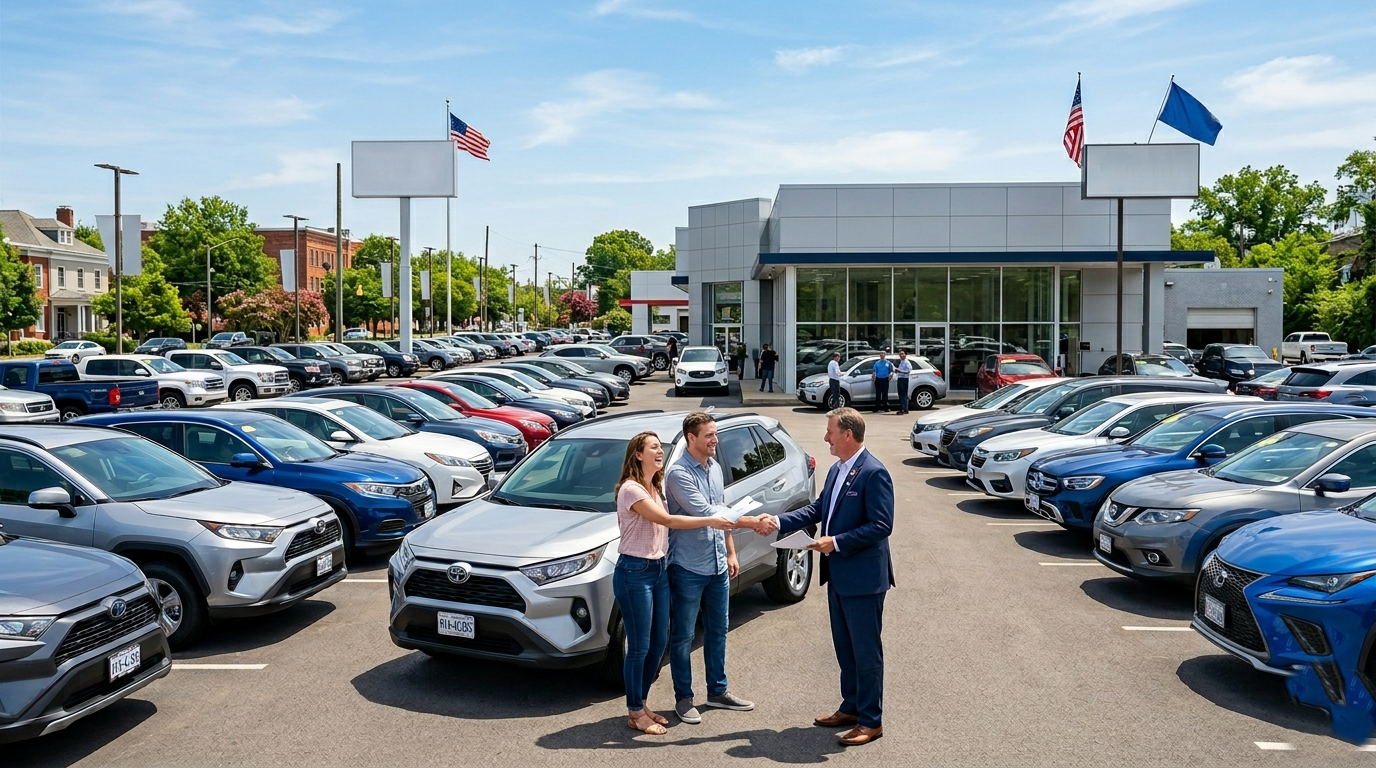
Why should I search vehicles at a local dealer in Richmond instead of nationwide listings?
Local dealers in Richmond curate an inventory that reflects regional demand—SUVs, trucks like Ram and Jeep, and popular sedans such as Toyota and Mazda are often well represented. Browsing inventory online for cars for sale in Richmond helps you filter results by price, years of experience, mileage, and accessories and upfits so you can find the right one faster. Many Richmond dealers maintain an inventory online so you can compare vehicle features, transparent pricing, and available warranty options before you visit.
Choosing a local used car dealership also means you avoid surprises related to vehicle delivery date, emission testing charge, and DMV issues that can crop up with out-of-area purchases. Local customers benefit from faster transaction times, easier trade-ins, and a clear path to scheduling a test drive to feel comfortable behind the wheel.
How does financing work at a Richmond used car dealership and why is it beneficial?
Local used car dealers in Richmond typically have relationships with multiple lenders and in-house financing options, making it easier to secure automotive financing tailored to your credit profile. Financing through a dealer in Richmond often includes incentives, promotional rates, and packaged offers that independent sellers can’t match. A knowledgeable dealer can explain loan terms, monthly payments, and the vehicle’s value versus depreciation, so buyers can make informed decisions.
Financing locally also helps with trade-ins and dealer-specific promotions. Buyers can often lock in financing and drive their selected vehicle the same day after completing DMV paperwork and emission testing. This streamlined process contributes to a smoother car-buying experience and peace of mind for first-time buyers and repeat customers alike.
What makes local used car dealerships in Richmond more transparent than private sellers?
Transparency is a hallmark of reputable used car dealerships. Local dealers provide full vehicle history reports, clear inspection records, and transparent pricing that outlines any fees, incentives, and optional warranties. A committed-to-providing approach means staff are trained to answer questions about a vehicle’s service history, accident records, and remaining warranty coverage.
Dealerships also disclose costs that private sellers may hide, such as emission testing charges, accessories and upfits, or reconditioning work performed. This honest approach reduces buyer risk and helps shoppers compare vehicles and dealers more effectively, leading to the right choice and a better long-term ownership experience.
How can I compare inventory and find the perfect car among used cars in Richmond?
Comparing used vehicles among Richmond car dealerships is easy when you use online inventory tools, filters, and comparison features. Most dealerships allow you to filter by make (Toyota, Mazda, Mercedes-Benz), model (Jeep, Ram, Chrysler, Dodge), year, price, mileage, and features. Use these filters to narrow down choices and create a short list of vehicles to test drive.
When comparing, look beyond sticker price—consider warranty coverage, vehicle condition, available incentives, and the dealer’s reputation for customer service. Create a checklist for each car that includes reliability ratings, maintenance history, and projected depreciation to make the best selection. A knowledgeable sales team can help you compare financing options and trade-in values so you get maximum value.
Why is scheduling a test drive at a local Richmond dealer important before you buy a used car?
A test drive is essential for evaluating comfort, performance, and any potential issues with the vehicle. Local dealerships make it simple to schedule a test drive so you can experience the vehicle in Richmond traffic, hills, and highways—conditions that matter for your daily driving. This firsthand experience helps you decide if the car truly fits your needs and if it’s the best used car for sale for your lifestyle.
During the test drive, inspect brakes, steering, noise levels, and electronics. Ask the dealer for a mechanic’s inspection or to review the dealership’s reconditioning checklist. A responsible dealer will encourage test drives and provide transparent answers to help you feel comfortable making a purchase.
How do warranties and dealer promises protect Richmond buyers of used vehicles?
Many local used car dealerships offer warranties or certified pre-owned programs that provide added assurance. Warranties can cover powertrain components, certain emissions, and sometimes even roadside assistance. These protections reduce out-of-pocket costs if a vehicle requires repairs and provide peace of mind for buyers worried about reliability and depreciation.
Dealerships committed to providing high-quality vehicles often include options for extended warranties or service plans. Confirm what the warranty covers, any deductible amounts, and whether the dealer performs maintenance in-house or partners with local shops. A transparent warranty agreement is a major advantage over private sales.
What are the advantages of trading in my vehicle at a Richmond used car dealer?
Trading in at a local dealer simplifies the buying process: you can apply your vehicle’s value toward the purchase of your next car, lower your sales tax in some cases, and avoid the hassle of private sale logistics. Dealers evaluate trade-ins with professional appraisals, often using market data on used cars in Richmond to offer fair trade values.
Benefits include expedient paperwork, assistance with DMV requirements, and options to roll the trade-in equity into your new loan if needed. Check that the dealer discloses the vehicle appraisal process and offers transparent pricing so you understand how the trade-in affects your final deal.
How do Richmond dealers support local customers with after-sales service and maintenance?
Local used car dealers often provide ongoing service, repairs, and maintenance, fostering long-term relationships with customers. Many dealers offer on-site service departments for oil changes, tire rotations, and more complex repairs for makes like Toyota, Mazda, Dodge, and Mercedes-Benz. Having service nearby reduces downtime and makes it easier to maintain your vehicle’s value.
Dealership service centers usually keep records of your vehicle’s history, which supports resale value and helps in warranty claims. Good customer service includes reminders for routine maintenance, access to OEM parts, and knowledgeable technicians who understand local driving conditions and emission testing requirements.
Are local Richmond used car dealers more knowledgeable about vehicle pricing and market trends?
Yes—dealers in Richmond track local market demand and pricing trends for used cars for sale. Their years of experience and connections to regional inventory sources allow them to price vehicles competitively and offer incentives when appropriate. This market knowledge helps buyers find a reliable vehicle at a fair price while understanding depreciation patterns and vehicle’s value over time.
Knowledgeable sales staff can highlight why certain vehicles hold value—like trucks and SUVs that are always in demand—and provide guidance on total cost of ownership, expected maintenance, and resale forecasts so you can choose the best long-term investment.
How can local dealers in Richmond help me feel comfortable and confident during the car-buying experience?
Local dealers focus on customer service to build trust with Richmond shoppers. From the initial browse of inventory online to the moment you schedule a test drive and complete financing, a good dealership aims to make the process hassle-free. Staff who are transparent, knowledgeable, and committed to providing a positive experience help you feel comfortable making a decision.
Tips for a confident purchase:
- Browse dealer inventory online and save favorites
- Schedule a test drive and bring a checklist
- Ask about transparent pricing and warranty options
- Compare financing offers and incentives
What makes a Richmond dealer the best choice for buyers seeking quality pre-owned vehicles?
Local used car dealers combine a wide selection, transparent pricing, and dealer-specific benefits like warranties, financing, and after-sales support. They offer high-quality, inspected pre-owned vehicles from brands such as Toyota, Jeep, Ram, Mazda, Chrysler, Dodge, and Mercedes-Benz, giving shoppers confidence to buy a used car that fits their needs and budget.
For Richmond’s car shoppers, the best used car option often means choosing a dealership with a proven reputation, years of experience, and a commitment to providing exceptional customer service. This approach ensures you find the perfect car while enjoying a smoother, less stressful car-buying experience.
Conclusion:
Local used car dealers in Richmond provide clear advantages: regionally tailored inventory, transparent pricing, financing options, warranties, convenient trade-ins, and reliable after-sales service. Whether you’re searching vehicles online or scheduling a test drive, Richmond dealerships help buyers compare, filter, and find a reliable vehicle quickly. Their knowledge of local market trends, access to incentives, and customer-focused approach make them the best choice for many pre-owned vehicle shoppers.
For buyers ready to browse a wide selection of used cars for sale, consider contacting a trusted local used car dealership. VA Motors, a Used Car Dealership in Richmond, VA, is committed to providing dependable used vehicles, clear inventory online, and excellent customer service. If you’re looking to buy a used car, find the perfect car, or schedule a test drive, visit VA Motors to explore used cars in Richmond and experience a seamless, trustworthy car-buying experience with transparent pricing and peace of mind.
Common Auto Loan Mistakes to Avoid When Applying for a Car Loan

Taking out an auto loan is a significant step in the car buying process. Avoiding common auto loan mistakes can save you thousands over the life of the loan, protect your credit score, and lead you to the best car financing for your needs. This guide covers common car loan mistakes and how to avoid them, offering practical tips for buyers researching pre-owned vehicles, loan options, and the total cost of ownership.
What loan mistakes should I watch for when applying for a loan?
When applying for a loan, common mistakes include not checking your credit report, accepting the first loan offer, and failing to read the auto loan terms. These errors can lead to higher interest rates, larger loan amounts than you can afford, and a longer loan term that increases the cost of the loan over time. Before submitting an auto loan application, review your credit score and dispute any inaccuracies on your credit report.
Apply for a loan only after you understand the loan interest, the monthly payment expectations, and the life of the loan implications. Use an auto loan calculator to estimate the monthly payment and total cost for different loan terms so you can avoid common car loan mistakes like taking on a long loan that leads to negative equity.
How can I avoid financing mistakes by getting pre-approved?
Getting pre-approved for an auto loan helps car buyers negotiate from a position of strength. Pre-approval clarifies your loan amount and interest rate and shows dealerships you are a serious buyer. Pre-approved for an auto loan offers a clear purchase price range and helps you shop around for the best deal instead of relying only on dealer financing.
To get pre-approved, contact multiple lenders, including banks, and a credit union, or a federal credit union. Comparing pre-approved offers allows you to see different auto loan terms and interest rates, helping you avoid mistakes such as accepting a higher interest rate at the dealership or unnecessarily extending the loan term.
Why is my credit score important for car financing and auto loan approval?
Your credit score plays a major role in loan approval and the interest rate you receive. A higher credit score generally gets you a lower interest rate and better loan options, while poor credit can lead to higher interest and fewer financing choices. Before applying for an auto loan, check your credit score and consider improving it to save you money on the life of your loan.
Check your credit score before applying and review your credit report for errors. Credit unions often provide competitive rates for members, and sometimes working with a federal credit union can help car buyers with less-than-perfect credit secure better loan terms. Knowing your credit helps you choose the best loan and avoid common mistakes when applying.
Should I choose a longer loan term or a shorter loan term for auto financing?
Choosing a longer loan term reduces the monthly payment but increases the total cost and may leave you owing more than the car’s value. A shorter loan term usually comes with a higher monthly payment but lower interest paid over time and helps you build equity faster. Many car buyers make the mistake of choosing a long loan solely for lower monthly payments without considering the loan balance and the life of the loan.
Use a loan calculator to compare scenarios and find a car you can afford with a shorter loan term if possible. Aim for a loan term that balances a manageable monthly payment and minimizes loan interest to avoid common auto loan mistakes like being wrapped into a long loan that costs more in the long run.
How do interest rates and loan offers affect the total cost of buying a car?
Interest rate differences, even by a couple of percentage points, can dramatically alter the cost of the loan over several years. When comparing loan offers, look beyond the monthly payment and calculate the total cost over the life of the loan. This helps you see which loan carries a higher interest and which offer is truly the best deal.
Shop around with banks, lenders, and credit unions to secure competitive interest rates. Be cautious of hidden fees in the loan application and loan terms. A low monthly payment may mask a higher interest rate or long loan term that raises the total cost and the mistakes when applying can lead to paying far more than the purchase price.
Can I avoid dealership financing pitfalls when buying a car?
Dealerships often present financing as convenient, but their loan offers may include markups or incentives that increase cost. To avoid pitfalls, get pre-approved, compare the dealer’s loan against external lender offers, and read all auto loan terms carefully. Ask for a breakdown of the loan amount and any dealer fees so you know the full cost of the loan.
Car dealerships may push add-ons or extended warranties that increase the purchase price and therefore the loan amount. Negotiate the purchase price separately from financing and avoid common car loan mistakes like rolling extra costs into a loan, which increases the monthly payment and loan balance.
What role do credit unions and federal credit unions play in avoiding auto loan mistakes?
Credit unions and federal credit union lenders often offer lower interest rates and more flexible loan terms than traditional banks. They can be a great option for car buyers who want to avoid common mistakes, such as accepting higher interest at a dealership. Membership-based lenders may also approve borrowers with less-than-perfect credit on more reasonable terms.
When financing a car, get quotes from a credit union, a federal credit union, and other lenders to see all loan options. Comparing these loan offers can save you money, reduce monthly payments, and help you select the best car loan that matches your financial situation and avoids mistakes, to avoid like overborrowing.
How do I determine the right loan amount and avoid borrowing too much?
Determining the right loan amount starts with setting a realistic budget. Consider the purchase price, taxes, fees, and the cost of the loan, including loan interest and any add-ons. Avoid the common mistake of stretching your budget to buy a car with more features; a higher loan amount increases the monthly payment and the length of your loan.
Use an auto loan calculator to estimate monthly payment for different loan amounts and terms. Stick to a loan amount that keeps your monthly payment affordable, allowing for insurance and maintenance costs. This practical approach helps you avoid common car loan mistakes like taking on a loan that strains your finances.
What mistakes should car buyers avoid during the loan application process?
Mistakes during the auto loan application include applying to many lenders in a short period, which can temporarily lower your credit score, and failing to provide accurate documentation. Shop around, but do rate shopping within a short window to minimize credit inquiries. Also, be honest about your income and debts to prevent loan approval issues later.
Prepare documents like proof of income, residence, and identity before applying for a car loan. Getting pre-approved reduces the number of applications and helps streamline the auto loan application process. Avoid common mistakes to avoid such as missing required paperwork or falsifying information, which can lead to loan denial or higher interest rates.
How can I best shop around to get the best car financing and avoid common car loan mistakes?
Shop around by obtaining quotes from multiple lenders, including banks, credit unions, and online lenders. Compare loan offers including interest rate, loan term, monthly payment, and total cost. Make sure to include dealership financing offers in your comparisons but don’t assume dealer financing is the best automatically.
Use tools like an auto loan calculator and create a checklist of loan terms and fees to compare side-by-side. Getting pre-approved and knowing your credit score before applying will help you negotiate the purchase price and avoid common mistakes when applying for an auto loan. Smart shopping around can save you money and help you secure the best loan for the car you want.
What should I know about refinancing or paying off a loan early to minimize mistakes?
Refinancing can reduce your monthly payment or interest rate if your credit score improves or market rates drop. However, refinancing into a longer loan term can extend the life of your loan and increase total interest paid. Evaluate the cost of refinancing using an auto loan calculator to ensure refinancing will save you money in the long run.
Paying off a loan early can save on loan interest but check for prepayment penalties in your auto loan terms. If you plan to pay extra toward the loan balance, confirm with your lender how extra payments are applied. Avoid common mistakes like extending the loan to lower payments only to pay more interest over the loan’s life.
Summary: Common Auto Loan Mistakes and How to Avoid Them
Understanding car loan mistakes to avoid—like ignoring your credit score, failing to get pre-approved, accepting the first loan offer, or choosing a longer loan term without considering total cost—can save you money and stress. Shop around, compare lenders including credit unions and federal credit union options, use an auto loan calculator, and know your credit before applying. These steps help you find the best car loan and avoid common car loan mistakes.
For buyers researching used cars for sale, trusted guidance from a used car dealership can help you navigate used car finance and the loan application process. If you’re in Richmond, VA, consider VA Motors, a Used Car Dealership in Richmond, VA, where used car dealers can walk you through financing options, used car finance, and used car dealers’ loan offers to help you buy a car confidently and avoid financing pitfalls.
Top Reasons Richmond Buyers Choose Car Financing Online: Why Many Get Pre-Approved for a Loan
Online auto financing has transformed the way Richmond car buyers approach the car-buying process. Whether you’re looking to buy a car online or visit a dealership, understanding vehicle financing, auto loans, and financing options available helps you make better decisions. This post explores the top reasons Richmond buyers choose online auto financing, using insights from automotive car buyer financing journey studies and practical car buying tips.

Why are Richmond buyers turning to online car financing and applying for financing online?
Many Richmond car buyers prefer to apply for financing online because the process is faster and often more transparent than visiting a dealership in person. Financing online allows shoppers to compare loan offers, interest rates, and loan terms from multiple lenders — including banks, credit unions, and online lenders — before committing to a vehicle purchase. This creates leverage when negotiating with dealer financing or a used car dealership.
Online applications for car financing often require basic details about your credit score and income, which helps lenders give more accurate loan rate estimates. Buyers who complete key financing steps online commonly report saved time and clarity about monthly payment expectations, making the car buying process less stressful.
How does getting pre-approved help during the car buying process and car financing online?
Getting pre-approved for a car loan or auto loan gives Richmond buyers a clear budget for their next vehicle. Pre-approval provides a concrete loan offer and approximated loan terms, which simplifies comparing offers from dealer financing versus online lenders. When you get preapproved, you can focus on finding used cars for sale or new vehicles that fit your financing parameters and your lifestyle.
Pre-approval also strengthens your negotiating position at dealerships and used car dealers. Sales staff are more likely to work with buyers who have a vehicle financing plan in place, and pre-approval often shortens the time needed to complete financing at the dealership. Consider checking rates and terms from a bank or credit union as well as online lenders to secure the best rates and competitive rates for your credit score.
What financing options are available that make online auto financing attractive for used vehicle buyers?
Online financing offers a wide range of financing options, from short-term car loans with higher monthly payments to longer loans that reduce monthly payment amounts. Many online platforms let buyers compare loan options, including dealer financing, bank financing, and loans online from online lenders. For used vehicle buyers, this flexibility helps find the right balance between loan terms, interest rate, and monthly payment.
Credit unions often provide competitive rates to their members, and combining offers from credit unions with online financing results can reveal the best fit for your budget. Buyers should consider whether a lower monthly payment with a longer loan term or a shorter loan with greater monthly cost fits their financial goals and vehicle needs.
How do online car loans affect your interest rate and loan rate outcomes?
Interest rate and loan rate depend on multiple factors: your credit score, the lender you choose, the age of the vehicle (new vs used), and current market rates. Online car loans let you quickly compare loan offers and estimated interest rates from multiple lenders so you can find the best rates. This transparency is especially useful for buyers who want to minimize the total interest paid over the life of the loan.
When comparing loan rate and interest rate estimates online, pay attention to fees, loan terms, and whether the rates are fixed or variable. Many online lenders provide rate quotes conditioned on credit checks, and some dealerships will match or beat online offers through dealer financing when you present a strong pre-approved loan offer.
How does the online financing process save time compared to visiting a dealership?
Financing steps online streamline the car buying process by reducing the number of in-person visits and paperwork. Buyers can get an online car loan pre-approval, upload documents, and compare available loan options before stepping foot into a dealership. Studies show buyers who complete key financing steps online save significant time during the final vehicle purchase.
Completing steps online also reduces surprises during signing: you’ll better understand monthly payment estimates, down payment expectations, and loan terms. This preparation helps ensure that final dealership financing discussions are focused on vehicle selection and any additional dealer financing options, not basic loan qualification.
Can online finance improve your negotiating power with dealerships and used car dealers?
Yes. Arriving with an offer from an online lender or a pre-approved loan from a bank or credit union gives you leverage when shopping at dealerships. Many used car dealerships treat pre-approved buyers as serious customers, and some will present competitive offers to win the sale. Comparing offers from an online lender and dealer financing can uncover better rates and loan terms.
Negotiation tips: present your pre-approved loan, ask the dealer to match or beat it, and request full disclosure of loan terms and fees. Use comparisons of rates and terms to secure the best deal, and consider the benefits of dealer financing such as promotional rates on new or certified pre-owned vehicles versus the more flexible terms you may find online.
What role do online lender and credit union offers play in car buyer financing journey studies?
Recent car buyer financing journey studies, including surveys by automotive research firms, show many online financing applicants prefer to compare multiple lenders. The availability of online lender offers and credit union loans are often cited as key reasons car shoppers buy a car online or apply for financing online. This trend reflects growing trust in digital loan platforms and the convenience of receiving tailored loan offers quickly.
Use these studies to guide your approach: gather offers from online lenders, credit unions, and banks; review loan terms; and compare estimated monthly payments. This multi-lender strategy usually yields the best online financing outcomes for both new and used vehicles.
How does online financing handle credit score concerns and approval odds?
Online lenders and credit unions typically provide tools to estimate which loan offers you may qualify for based on your credit score. Soft-credit checks can yield prequalification results without affecting your score, giving you a snapshot of potential loan rates. If your credit score needs improvement, online resources provide tips to boost your score before applying for an auto loan.
For buyers with lower credit scores, options exist such as dealer financing with subprime lenders, co-signer loans, or down payment adjustments. Compare these choices alongside bank or credit union offers to find a balanced solution that fits your budget and financing goals.
Are online financing and online car buying secure and trustworthy for Richmond car shoppers?
Reputable online financing platforms and established lenders use secure systems for loan applications and document uploads. Look for encrypted sites, clear privacy policies, and recognizable lender names—banks, credit unions, and top online lenders. Verified online lenders and dealers reduce the risk of fraud and streamline the car financing online experience for buyers.
Check reviews, ask for references from the dealership, and verify lender credentials. Many used car dealerships in Richmond partner with trustworthy online lenders to offer competitive rates and faster processing, providing peace of mind when you buy a car online or apply for financing online.
How do monthly payment calculators and loan terms online help buyers fit a used car purchase into their budget?
Monthly payment calculators available on lender and dealership websites let buyers estimate how different loan terms and interest rates affect monthly payment amounts. These tools help Richmond buyers model scenarios: choosing higher down payments, shorter loan terms, or different loan rates to see how they fit their budget and financial goals.
When planning a purchase, compare multiple loan terms and consider total cost of financing, not just monthly payment. Evaluate loan options that balance monthly affordability with paying less interest overall. This approach helps you buy a car that meets immediate needs while preserving long-term financial health.
What car buying tips should Richmond buyers know when comparing online auto financing and dealer financing?
Start by getting pre-approved from at least two sources: an online lender and a credit union or bank. Compare offers focusing on rates and terms, total loan cost, and monthly payment. Bring pre-approval documentation to the dealership so dealer financing offers can be compared effectively. Don’t forget to factor in additional costs like taxes, registration, and any dealer fees.
- Tip 1: Get preapproved to set a clear budget.
- Tip 2: Compare offers from multiple lenders, including credit unions and online lenders.
- Tip 3: Use monthly payment calculators and review loan terms thoroughly.
- Tip 4: Negotiate both vehicle price and financing separately to maximize savings.
Combining online research with in-person test drives provides the best of both worlds: the convenience of financing online and the assurance of inspecting a used vehicle before purchase.
Conclusion
Top Reasons Richmond Buyers Choose Online Auto Financing highlights why so many car shoppers opt to apply for financing online, get pre-approved, and compare offers from multiple lenders. The benefits — faster pre-approval, competitive rates, transparency on loan terms, and more negotiating power at dealerships — make online financing a smart step in the car buying process. Whether you’re looking for a new car or used cars for sale, using online financing tools helps you make an informed vehicle purchase.
If you’re in Richmond and researching used car dealers, consider partnering with a trusted local used car dealership that understands online car loans and dealer financing. VA Motors, a Used Car Dealership in Richmond, VA, works with buyers to explore used car finance options, compare loans online, and find used vehicles that fit your budget. Stop by VA Motors to see how used car dealers can help you apply for financing online and get a competitive vehicle loan for your next vehicle.
FAQ’s
It’s faster and lets them compare rates from multiple lenders without visiting dealerships.
Yes—reputable lenders use encryption and verified platforms to protect personal and financial data.
Often yes—online lenders may offer more competitive rates due to lower overhead and wider competition
Approvals can be immediate to a few days depending on documentation and lender requirements.
Getting Pre-Approved for an Auto Loan: Pre-Approval vs Final Approval
Understanding the difference between pre-approval and final approval can save you time, money, and headaches when you buy a car. Whether you’re shopping for used cars for sale or considering new car loans, knowing the pre-approval process, how lenders evaluate your credit score, and what affects your credit helps you secure better financing, favorable interest rates, and predictable monthly payments.

What does auto loan pre-approval mean and how does it affect your car buying?
Auto loan pre-approval means a lender has reviewed basic information—your credit score, credit history, income, and debt—to estimate the loan amount and interest rate you qualify for. Getting pre-approved for a car gives you a clearer picture of your financing options and maximum loan amount, which simplifies car shopping. Pre-approval gives buyers negotiating power at the dealership and helps set realistic expectations for loan payments and loan term.
The pre-approval process often starts with a soft credit check or soft credit inquiry that does not affect your credit score. However, advancing to an actual loan application may trigger hard credit inquiries that can affect your credit. Use pre-qualification and pre-approval strategically: get pre-qualified to compare rates and get pre-approved to lock in a loan offer before you visit a dealership or private seller.
How does pre-qualification differ from loan pre-approvals in auto financing?
Pre-qualification is usually an informal estimate based on self-reported information and a soft credit check; it provides an initial idea of rates and terms without guaranteeing an approved for an auto loan decision. Loan pre-approvals are more rigorous—they typically require documentation, a review of your credit report, and verification of income. A pre-approval is a stronger signal to dealerships and used car dealers that you are a serious buyer.
Comparing pre-qualification vs pre-approval helps you choose the right step. Start by getting pre-qualified to compare financing options and estimated interest rate ranges. When you’re ready to buy, apply for pre-approval or a formal auto loan preapproval to receive a concrete loan offer and a maximum loan amount that will streamline your car purchase.
Why should I get pre-approved for a car before visiting a dealership or used car dealer?
Getting pre-approved for a car before visiting a dealership can reduce pressure and help you focus on the vehicle rather than the financing. A pre-approved auto loan acts like cash at the dealership: you know the loan amount, the loan term, and the expected monthly payment. This makes negotiating price and trade-in value easier and allows you to compare dealership financing with offers from banks or a credit union.
Dealership financing can be convenient, but rates and terms vary. With a pre-approved auto loan, you can decide whether to accept an in-house loan offer or use your external loan preapproval. Shop around—compare offers from banks, credit unions, and online lenders to secure the best interest rate and lowest monthly payment for new or used car loans.
How does a lender use your credit score and credit report during the pre-approval process?
Lenders review your credit score and credit report to assess risk, set the interest rate, and determine loan amount and loan term. A higher credit score typically yields lower interest rates and better loan terms. The credit report shows payment history, outstanding accounts, and credit inquiries—elements of your credit history that affect your creditworthiness.
Before you apply for pre-approval, check your credit and review your credit report. Correct errors, pay down high balances, and avoid opening new accounts. Doing so improves the likelihood you’ll get approved for a car loan with favorable rates and terms. Soft credit checks can be used early in the process to estimate eligibility without impacting your score.
Will applying for pre-approval or final loan approval affect your credit score?
Applying for pre-approval usually involves a soft credit inquiry, which does not affect your credit score. However, when you apply for final loan approval or formally apply for an auto loan, lenders will perform a hard credit check. Multiple hard credit inquiries within a short window for auto financing are often treated as a single inquiry by credit scoring models, but they can still temporarily affect your score.
To limit impact, shop for loan pre-approvals within a focused timeframe and use soft credit checks to gauge options first. Monitor your credit and avoid actions that could negatively affect your credit score before final loan approval—such as opening new credit accounts or missing payments.
What documentation is needed to apply for pre-approval and secure final approval?
Typical documents for both pre-approval and final approval include proof of income (pay stubs or tax returns), a valid ID, proof of residence, and detailed information about the vehicle for final underwriting. Lenders may also request bank statements and proof of insurance. For used car loans, the lender will confirm the vehicle’s VIN, mileage, and condition as part of the loan application and loan approval.
Preparing documents in advance speeds the pre-approval process and reduces surprises at the dealership. If you are using a credit union or bank, check their specific requirements and be ready to provide additional details such as employment verification or down payment source to get approved for a car loan.
How do interest rates and loan terms change from pre-approval to final approval?
Pre-approval provides an estimated interest rate and loan term based on preliminary data; final approval locks in the actual interest rate and loan term after a full credit review and vehicle assessment. Interest rate can change if your credit profile changes between pre-approval and final approval, or if the lender finds discrepancies in the loan application or credit report.
Rates and terms may also differ for new car loans versus used car loans—used car loans often carry higher interest rates and different loan terms. Compare multiple pre-approved offers and confirm the loan payment and total cost over the loan term before accepting a final approval to ensure you get the most affordable financing option for your car purchase.
What are common reasons a pre-approved auto loan might be denied at final approval?
Common reasons include changes in credit score or new negative items on your credit report, inaccuracies in documentation, insufficient proof of income, or problems with the vehicle (salvage title, undisclosed liens, etc.). Lenders also reassess debt-to-income ratio and may adjust loan amount or decline final approval if financial circumstances changed since pre-approval.
To minimize the risk of denial, avoid large financial changes before closing: don’t take on new debt, keep existing accounts current, and be transparent about the vehicle’s condition. Verify the lender’s terms and conditions and respond quickly to any document requests during the loan approval process.
Should I use a credit union, bank, or dealership for my auto loan pre-approval?
Each lender type has pros and cons. Credit unions often offer competitive interest rates, especially for borrowers with solid credit history. Banks may provide convenience if you have an existing relationship. Dealerships can bundle incentives or promotions, but their rates sometimes are higher. Shop around to compare rates and terms and obtain preapproved car loans from multiple sources to find the best financing options.
Consider pre-approval offers side-by-side: interest rate, loan amount, loan term, monthly payment, and any fees. A credit union may offer lower rates for used car loans, while a dealership might offer manufacturer incentives on new car loans. Weigh these factors against your credit score and financing needs when choosing a lender.
How does being pre-approved change your negotiation power when buying a new or used car?
Pre-approval clarifies your budget, monthly payment, and maximum loan amount, giving you leverage when negotiating price, trade-in value, and add-ons. Sellers and used car dealers are more likely to take your offer seriously if you are pre-approved, and you can avoid high-pressure financing offers from dealerships that may include markups on interest rates or unnecessary products.
Use your pre-approved auto financing as a baseline. If the dealership offers a financing option, compare the rates and terms to your pre-approval. If the dealer’s offer is better, you can switch; if not, you retain the option to use your pre-approved loan to complete the car purchase and secure a predictable car payment over the loan term.
When is it appropriate to refinance a car after final approval and purchase?
Refinancing a car can make sense if interest rates drop, your credit score improves, or you want to change the loan term to lower monthly payments or pay off the loan faster. Refinancing replaces your current auto loan with a new loan—potentially lowering your interest rate or changing your loan amount and loan term to better match your financial goals.
Before you refinance, check your credit, compare offers from lenders and credit unions, and consider pre-approval or pre-qualification for refinancing. Evaluate any fees or penalties for early payoff on your current loan and calculate total savings across the remaining loan term to ensure refinancing is beneficial.
How do pre-approved offers and loan prequalification impact shopping for a used car?
Pre-approved offers and car loan prequalification streamline shopping for a used car by providing clarity on the loan amount and monthly payment you can afford. With used car dealers, having a pre-approved auto loan reduces the time spent negotiating financing and helps you focus on vehicle condition, warranty coverage, and overall value for money. It also helps you avoid inflated rates that some dealerships may add for profit.
When you get preapproved for a car loan, verify that the loan terms include used car loans and ask about any specific restrictions. Confirm the loan preapproval process timelines and ensure the lender is willing to fund used cars for sale that may have higher mileage or older model years. This preparation improves your chances of a smooth final approval and a successful car purchase.
What steps should I take right now to improve my chances of going from pre-approval to final approval?
Actionable steps include checking your credit score and credit report, paying down high balances, correcting any errors, and avoiding new credit inquiries. Get organized with documentation—proof of income, residence, and ID—and choose the vehicle carefully, confirming VIN and title status before finalizing the loan application. These steps help protect your credit history and reduce surprises during underwriting.
Also, compare pre-approved offers from banks, credit unions, and dealerships. Negotiate the vehicle price independent of financing, and be prepared to present your pre-approval at the dealership. If planning to refinance later, consider the loan term and total interest paid. Smart preparation increases the likelihood you’ll get approved for a car loan with favorable rates and terms.
Conclusion: Pre-Approval vs Final Approval — Understanding Auto Financing
Understanding the difference between auto loan pre-approval and final loan approval is essential for confident car shopping. Pre-approval gives you a realistic loan amount, estimated interest rate, and negotiating leverage, while final approval confirms the loan after documentation and vehicle verification. Check your credit, compare lenders, and be prepared with documents to improve your chances of getting approved for a car loan.
Pre-approval vs final approval will affect your car purchase, monthly payment, and overall loan cost, whether you’re financing a new car or used car. For buyers exploring used cars for sale in Richmond, VA, consider reputable used car dealers like VA Motors. VA Motors is a Used Car Dealership in Richmond, VA that can help you navigate used car finance, connect you with financing options, and make the car buying process smoother. Whether you’re visiting a dealership, applying for an auto loan, or seeking preapproved car loans, being informed about the pre-approval process and loan approval steps helps you secure the best rates and terms.
Vehicle Financing Application Process: What to Expect After You Apply
Applying online for a car finance or auto financing has become the norm for car buyers researching new and used vehicles. Whether you’re applying for an auto loan for a new car or used car, understanding the loan application process, how lenders evaluate your credit score and credit report, and what happens next will help you get approved and secure a loan offer with favorable interest rate and loan term. This guide explains what to expect after you apply online for a car loan and how to navigate decisions like choosing a credit union versus a bank, using an auto loan calculator, and finalizing your loan.

What happens to my loan application after I apply online for a car finance?
Once you submit your online application, the lender begins the loan process by reviewing the loan amount, loan term, and the information you provided. Online lenders, banks, credit unions, and dealerships will typically check your identity, employment, income, and the car you intend to buy. This initial review helps determine whether you can get an auto loan and what auto loan rates or loan offers you might receive.
Most lenders will run either a soft credit pull during prequalification or a hard credit pull during formal loan approval. A soft credit check lets you see estimated auto loan rates without an impact on your credit score, while a hard credit pull can affect your credit score and shows up on your credit report from the credit bureaus.
Will applying online affect your credit score or credit history?
Understanding whether the online application will affect your credit is important for car buyers, especially if you’re shopping for different loan offers. If the lender uses a soft credit pull for rate quotes, it won’t affect your credit score. However, once you move forward and the lender runs a hard credit pull, this can impact your credit score and appear on your credit report.
If you’re comparing offers, try to limit hard pulls by getting preapproval windows close together; credit scoring models often count multiple auto loan credit inquiries within a short period as a single inquiry. Always check your credit report and check your credit score before you apply for an auto loan to understand how a hard credit pull might affect your ability to get lower interest rates.
How long does the online application process and loan decision take?
Timing varies by lender. Some online lenders and credit unions offer near-instant preapproval using an online application and automated underwriting. Others may take a day or several business days to verify documents, contact your employer, or assess the vehicle’s value, especially for used cars. If you’re applying through a dealership, they may submit applications to multiple lenders to find the best loan offer for you.
Factors that affect timing include the accuracy of your application, whether you need to provide additional documentation, and whether the lender needs to confirm details like insurance, title, or vehicle history. Using an auto loan calculator before applying helps determine a realistic monthly payment and loan term so you’re prepared during the lender’s review.
What kind of loan offers will I receive and how do I compare them?
After your online application, lenders will present loan offers that outline the loan amount, annual percentage rate (APR), interest rate, loan term, and estimated monthly payment. Compare offers by looking at the APR — which includes fees — and the total cost of the loan over the life of the loan, rather than only the monthly payment. A lower monthly payment with a longer loan term might cost more in interest in the long run.
Consider offers from different sources: banks, credit unions, online lenders, and dealership financing. Credit unions often provide competitive auto loan rates and may be more flexible with loan terms. Use a loan calculator or auto loan calculator to compare how different rates and terms affect your monthly payment and overall interest paid.
Will I get preapproved and what does auto finance preapproval mean?
Preapproval is a conditional commitment from a lender that indicates you qualify for a specific loan amount and rate based on the preliminary review of your credit and income. Applying online for preapproval helps car buyers shop with confidence and know how much they can spend when they look at used cars for sale or new and used inventory at dealerships.
Preapproval often involves a soft credit pull, so it won’t affect your credit score. However, preapproval is not final — final loan approval depends on final verification of your income, the vehicle’s condition, and a hard credit pull. Having preapproval can strengthen your position at the dealership and help you negotiate the best deal.
What documents might lenders request after I apply online for a loan?
To finalize your loan, lenders commonly ask for documentation that verifies identity, income, residence, and insurance. Typical documents include a driver’s license, pay stubs or tax returns, bank statements, proof of address, and proof of insurance. If you’re buying a used car, the lender may also request details about the vehicle such as the VIN, mileage, and a vehicle history report.
If you are refinancing an existing auto loan, you may need to provide information about your current loan, the payoff amount, and the current loan term. Having paperwork organized speeds up getting an auto loan and reduces delays in loan approval and vehicle pick-up.
How will the lender set my interest rate and loan term?
Your credit score, credit history, loan amount, down payment, and whether the car is new or used all influence the interest rate and loan term offered. Borrowers with excellent credit typically qualify for lower interest rates and more favorable loan terms, while poor credit or limited credit history can result in higher auto loan rates. The dealer or lender will present options for loan term lengths — commonly 36 to 72 months — which affect your monthly payment and total interest paid over the life of the loan.
To aim for a lower interest rate, consider putting more money down, trading in a vehicle to reduce the loan amount, or choosing a shorter loan term. Shopping around between banks, credit unions, and online lenders increases your chances of getting a lower interest rate and lower monthly payment.
What should I know about monthly payments and budgeting for my car payment?
After you apply online, you’ll want to estimate your monthly payment using an auto loan calculator. Monthly payment depends on the loan amount, interest rate, and loan term. Don’t forget to factor in taxes, title, registration, and optional add-ons that dealerships may include. A loan with a lower interest rate and shorter loan term typically means a higher monthly payment but less interest paid over the life of the loan.
Budget for insurance, maintenance, and potential repair costs — especially for used cars. Aim to keep your car payment at a comfortable percentage of your monthly income. If your loan offer results in a high monthly payment, consider negotiating the purchase price, opting for a different vehicle, or extending the loan term carefully to lower your monthly obligation, balanced against the long-term cost.
Can I negotiate terms after I receive a finance offer from the lender or dealership?
Yes — you can and should negotiate. Loan offers are often flexible, especially at dealerships where multiple lenders may compete to finance your purchase. You can negotiate the interest rate, loan term, and sometimes even reduce fees or the loan amount by lowering the car price. If you have a preapproval from a credit union or bank, use it as leverage to get a better loan offer from a dealership lender.
Negotiation tips include: presenting competing loan offers, asking for lower interest or fees, increasing your down payment to reduce loan amount, and requesting a shorter loan term for a lower auto loan rate. If refinancing later makes sense, you can also apply to refinance to a lower interest rate if your credit score improves.
What happens if I’m approved — how do I finalize the loan and pick up the car?
Once the lender approves your application and you accept the loan offer, you’ll sign a loan agreement that outlines the loan amount, APR, interest rate, loan term, monthly payment, and other terms. The lender or dealership will complete title and registration paperwork, and the loan funds will be disbursed to the dealership or seller so you can take delivery of your new or used car.
Before signing, review the loan agreement carefully to confirm the APR, any fees, the length of the loan, and the monthly payment. Ask if there are prepayment penalties or options to pay off your loan early. Finalizing the loan may involve a hard credit pull and verification of insurance. Keep copies of all documents and use an auto loan calculator to confirm the loan payment schedule.
What if my application is denied — what steps should I take next?
If your online application is denied, the lender must provide reasons related to your credit report or application information. Common reasons include a low credit score, insufficient income, high debt-to-income ratio, or issues with the vehicle for used car financing. Review your credit report and check your credit to find any errors or areas to improve.
Next steps include: requesting a free copy of your credit report from the credit bureaus, correcting inaccuracies, improving your credit score by paying down debt, applying with a credit union or co-signer, or choosing a different vehicle with a lower loan amount. You can also seek a different loan product or try applying with a shorter loan term or higher down payment to increase the likelihood of approval.
How can I lower my interest rate or get a better deal after approval?
To lower your interest rate after approval—or even before finalizing—improve your loan terms by increasing your down payment, securing a cosigner with stronger credit, or refinancing later if rates drop or your credit score improves. Refinancing an auto loan through a bank or credit union can reduce your monthly payment and overall interest if you qualify for a lower auto loan rate.
Also consider shopping multiple lenders and using an auto loan preapproval to negotiate better financing at the dealership. Use an auto loan calculator to model different scenarios like shorter loan terms or larger down payments to see how these choices affect monthly payment and total interest paid.
How does buying new or used affect the financing and loan process?
Financing for new cars typically comes with lower interest rates compared to used cars because new vehicles retain value longer and pose less risk to lenders. Used car loans may have higher rates, shorter loan terms, and stricter requirements due to potential depreciation and higher risk. Many lenders have age and mileage limits on the vehicles they’ll finance, so when you apply online for a used car loan, expect additional scrutiny of the vehicle’s condition and history.
For used cars, consider certified pre-owned programs at dealerships, which can include favorable financing options, or look to credit unions that often offer competitive used car financing. Always evaluate the total loan cost and monthly payment whether you’re buying new or used, and use a loan calculator to decide what fits your budget.
How can you prepare for future loans, refinancing, or your next car purchase?
After you apply online and complete your auto loan, monitor your credit report, make timely loan payments, and aim to boost your credit score over time. Paying your loan on schedule affects your credit history positively and can help you qualify for better rates when you refinance or buy your next car. Using tools like an auto loan calculator helps plan for future purchases and estimate what you can afford for your next car.
If you want to refinance later, track market auto loan rates and consider refinancing when interest rates fall or your credit improves. Keeping a low debt-to-income ratio, correcting credit report errors, and demonstrating consistent loan payment history will position you for lower interest rates on future loans.
Summary: What to Expect After You Apply Online for a Car finance
Applying online for a car loan starts a process that includes credit checks, documentation, loan offers, and final approval. Expect preapproval options with soft credit pulls, possible hard credit pulls during final review, and multiple loan offers that vary in APR, interest rate, loan term, and monthly payment. Use an auto loan calculator to compare loan amounts and terms, shop lenders including credit unions, banks, and online lenders, and prepare documents to finalize the loan quickly. If denied, review your credit report and consider alternatives like a cosigner, larger down payment, or different lender.
Whether you’re financing a new car or a used car, understanding the online application process and what to expect after you apply will help you secure a loan with favorable terms. For local buyers in Richmond, VA, consider trusted local used car dealerships like VA Motors; as a Used Car Dealership in Richmond, VA, VA Motors and other used car dealers can help pair your approved loan offer with the right used cars for sale. Working with reputable used car dealers and exploring used car finance options at credit unions or banks increases your chances of finding lower interest rate financing and the best deal on your next car.
Why Buying a Used Car is the Smart Choice for Eco-Conscious Consumers
In today’s world, where environmental concerns are more pressing than ever, making conscious choices about our purchases is essential. For eco-conscious consumers, buying a used car presents an opportunity to support sustainability while saving money. This blog post delves into the reasons why purchasing a pre-owned vehicle is a smart choice, highlighting its numerous benefits and its positive impact on the environment.

What are the Environmental Benefits of Buying a Used Car?
Buying a used car significantly reduces your carbon footprint. When you opt for a pre-owned vehicle, you help lower the demand for new car production, which is resource-intensive. New car manufacturing requires vast amounts of raw materials and energy, contributing to environmental degradation. By choosing a used vehicle, you are essentially recycling a car that has already been produced, which helps to mitigate these environmental impacts.
Additionally, many used cars have already undergone significant depreciation, meaning they are more affordable without compromising on quality or safety. This makes buying used not only an eco-friendly choice but also a financially smart one.
How Does Buying a Used Vehicle Help Reduce the Demand for New Cars?
By purchasing a used vehicle, you directly contribute to reducing the demand for new car production. As more eco-conscious buyers choose to buy used cars, the pressure on manufacturers to produce new vehicles decreases. This shift in consumer behavior can lead to a decrease in the environmental impact associated with manufacturing new vehicles, including lower greenhouse gas emissions and reduced resource extraction.
Furthermore, the used car market is robust, providing a wide selection of pre-owned vehicles that meet various needs and preferences. This diversity allows consumers to find eco-friendly used cars that align with their values without settling for less.
Why is opting for a used car a wise financial decision?
Buying a used car is often a more affordable option compared to purchasing a new vehicle. New cars lose a significant portion of their value as soon as they are driven off the lot, with most depreciating around 20% in the first year alone. By opting for a used car, you can save money on both the purchase price and insurance costs, making it a financially sound decision.
Furthermore, many used cars are still under warranty, providing peace of mind for buyers. This means that you can enjoy the benefits of a reliable vehicle while avoiding the hefty price tag associated with new car purchases.
What Makes a Used Car an Eco-Friendly Choice?
Used cars are a sustainable choice for eco-conscious consumers because they require less energy and resources to produce. When you buy a pre-owned vehicle, you help extend the life cycle of that car, reducing the need for new manufacturing. This, in turn, helps to decrease the overall environmental impact associated with car production.
Additionally, many modern used cars come equipped with fuel-efficient technologies, making them more environmentally friendly than older models. By choosing a used hybrid or electric vehicle, you can further reduce your carbon footprint while enjoying the benefits of advanced automotive technology.
How Can Buying a Pre-Owned Vehicle Align with Eco-Conscious Values?
For eco-conscious consumers, aligning purchases with environmental values is crucial. Buying a pre-owned vehicle embodies this commitment by promoting sustainability and responsible consumption. When you choose to buy used, you are actively participating in a circular economy that values resource conservation and minimizes waste.
Moreover, many used car dealerships offer vehicles that have been inspected and certified, ensuring quality and reliability. This gives buyers confidence that they are making a responsible choice that supports both their financial and eco-conscious goals.
What Are the Advantages of Buying Used Cars Over New Cars?
The advantages of buying used cars are numerous. Firstly, used vehicles typically come at a lower price point, allowing you to get more value for your money. Secondly, used cars have already gone through the bulk of their depreciation, meaning you won’t lose as much value if you decide to sell it in the future.
Additionally, the broader used car market offers a vast selection of models, making it easier to find a car that meets your specific needs. Many used cars also come with features that were once only available on new models, giving you access to modern amenities without the new car price tag.
How Does Opting for a Used Car Support Sustainable Practices?
Opting for a used car supports sustainable practices by minimizing the environmental impact associated with new car production. The automotive industry is one of the largest contributors to pollution and resource depletion. By choosing to buy used, you are directly contributing to a decrease in the demand for new car manufacturing, which in turn helps to reduce waste and emissions.
Moreover, many used car dealers are becoming more environmentally conscious themselves, often implementing practices that further support sustainability. This trend encourages a more responsible approach to vehicle sales and ownership.
Are There Financial Benefits to Buying a Used Car?
Absolutely! The financial benefits of buying a used car are substantial. Not only do you save on the initial purchase price, but you also avoid the steep depreciation associated with new cars. On average, new cars lose 20% of their value within the first year, while used cars retain their value better over time.
Additionally, used cars often come with lower insurance costs, further enhancing the financial appeal. Many buyers find that they can afford a higher-quality vehicle when they opt for a used model rather than a new one.
What Should Eco-Conscious Buyers Look for When Choosing Used Cars?
When choosing a used car, eco-conscious buyers should consider a few key factors. Look for vehicles with good fuel efficiency and low emissions, as these will have a lesser impact on the environment. Additionally, consider the car’s lifespan and reliability ratings; choosing a car that is known for its durability can further enhance your eco-friendly choice.
Another important aspect is to check if the used car has been well-maintained. A vehicle with a history of regular service is likely to be more reliable and have a longer lifespan, which aligns with sustainable purchase practices.
Where Can Eco-Conscious Consumers Find Used Cars for Sale?
Eco-conscious consumers can find a wide variety of used cars for sale at reputable used car dealerships. These dealerships often have a comprehensive selection of pre-owned vehicles, including eco-friendly options such as hybrids and electric cars. Additionally, many dealerships provide detailed vehicle history reports, ensuring transparency in the buying process.
For residents in Richmond, VA, VA Motors is a trusted used car dealership that offers a great selection of high-quality used cars. They prioritize customer satisfaction and provide various financing options to accommodate different budgets, making it easier for eco-conscious consumers to make their smart choice.
Conclusion: Why Choosing a Used Car Is a Smart Move for Eco-Conscious Buyers
In conclusion, buying a used car is not only a smart financial decision but also an eco-friendly choice that aligns with the values of eco-conscious consumers. By opting for a pre-owned vehicle, you contribute to reducing the demand for new car production, lower your carbon footprint, and save money. If you’re in the market for a used vehicle, consider visiting VA Motors, a reliable used car dealership in Richmond, VA, where you can explore a wide range of used cars for sale and find the perfect fit for your eco-conscious lifestyle.